A proper decision-making process in occupational safety and health is cost-effective and improves productivity.


In the workplace, occupational safety and health are vital not only for protecting employees but also for ensuring the efficiency, profitability, and productivity of companies. A sound decision-making process regarding occupational safety and health (OSH) is essential for numerous reasons, starting with reducing the rate of accidents and occupational illnesses. It forms part of what we call the field of Occupational Health.
An effective occupational health and safety (OHS) system allows for the identification, assessment, and control of workplace risks. This minimizes the number of workplace accidents and incidents and reduces or eliminates the prevalence of work-related illnesses and disorders. This not only protects employees but also reduces the cost of these impacts for both the company and society as a whole. Reducing medical expenses and compensation for temporary or permanent work disability by having an adequate and efficient OHS system offers a return of €2.20 for every euro invested.
The most effective decision-making in OSH
The decision-making process is vital for the present and future of organizations, both at the strategic level, in planning, and in day-to-day operations. Deciding typically involves identifying a problem or an opportunity. Next, relevant information must be gathered and analyzed, and the solutions or options that can be applied and their impact considered.
In occupational risk prevention, the most effective methods for making decisions with Sabentis are:
1. Data-driven decision making
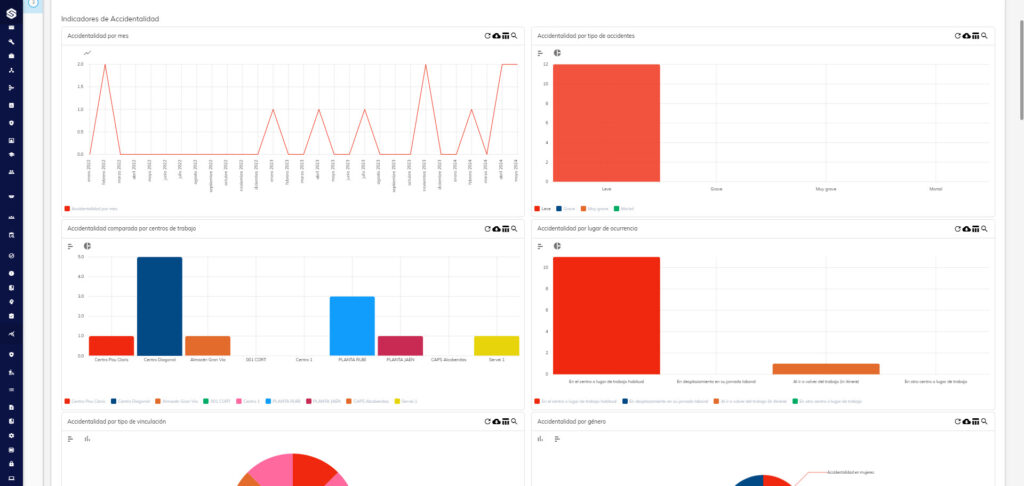
It applies information and data, extracted from facts, metrics, and reports, to guide decisions that maximize the well-being of people both within and outside the organization. This is the essence of leveraging technology to move from data to action.
Using confidential data generated by the organization’s daily activities—such as incident and accident reports, health surveillance records, surveys, and studies—to make informed decisions is key to occupational health and safety (OHS) management. The committed response and participation of workers are vital to this. Their involvement is crucial to ensuring that the implemented measures are appropriate and effective.
2. Hazard identification and risk assessment (HIRA )
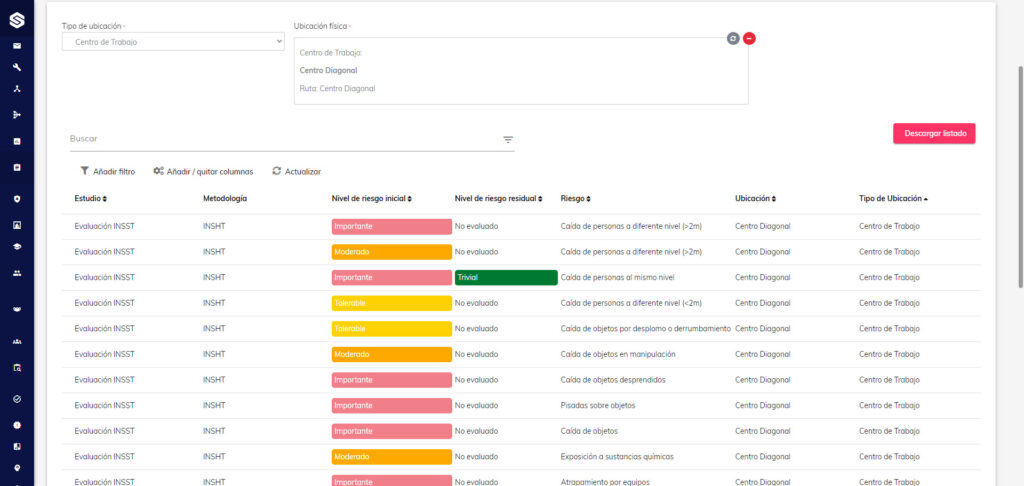
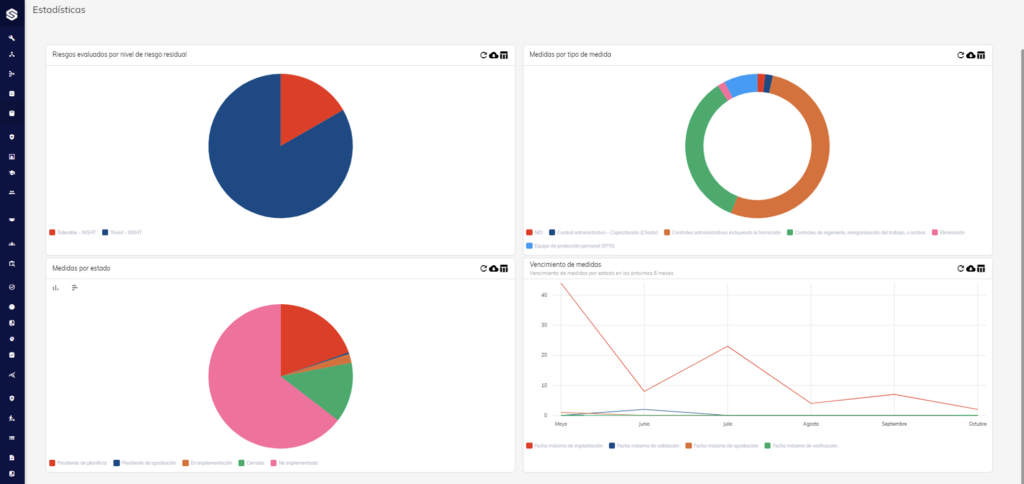
It shows the most critical locations by displaying the number of risks identified and assessed and the number of corrective measures defined for each of them.
3.- ERGO Digital Tutor Connect with intelligent ergonomics to prevent injuries and increase productivity.
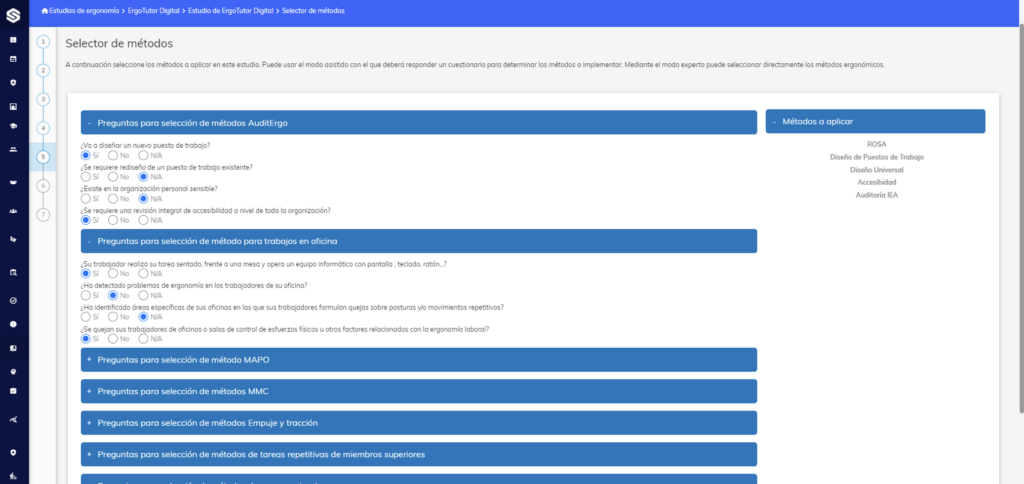
It is a questionnaire-based advisory tool that allows for the collection of detailed information about workplace conditions and their respective tasks. Furthermore, it facilitates the identification of ergonomic corrective actions and suggests conducting ergonomic measurement studies. The recommended methods cover repetitive movements, postural load, and manual handling of loads, in addition to workplace design studies and audits.
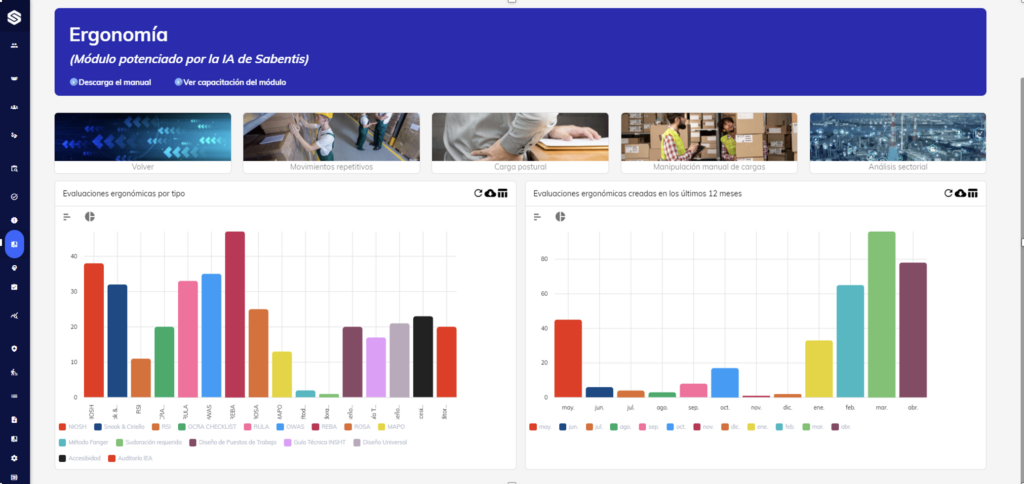
It is worth noting that all these ergonomic assessments and audits can be carried out by Sabentis, ensuring a thorough and specialized analysis.